Overview
- Knowing the right time and space to use sliding glass doors helps improve how a space functions in both residential and professional environments. They save space and create a smoother flow between areas, helping improve visual connection and spatial flow in different projects.
- When used in the right places, sliding doors also improve comfort and accessibility for occupants. Choosing the right system is the key to building spaces that leave a strong impression on both homeowners and commercial clients alike.
- Dwellsmith offers high-quality sliding glass door solutions that support modern design needs while delivering reliable performance for different types of projects.
In architectural and interior design, knowing when to use sliding glass doors in residential and commercial projects is key to maximizing lighting and spatial flow. These systems not only act as aesthetically pleasing additions to a build’s structure, but also as tools that shape how its occupants move and experience the space.
Design professionals often rely on sliding glass doors to maintain strong visual continuity across different environments. As a provider of high-quality sliding doors in the Philippines, Dwellsmith supports professionals with sliding door solutions designed for both performance and architectural integration.
Let’s explore where and when these systems work best across different project types.
Residential Projects
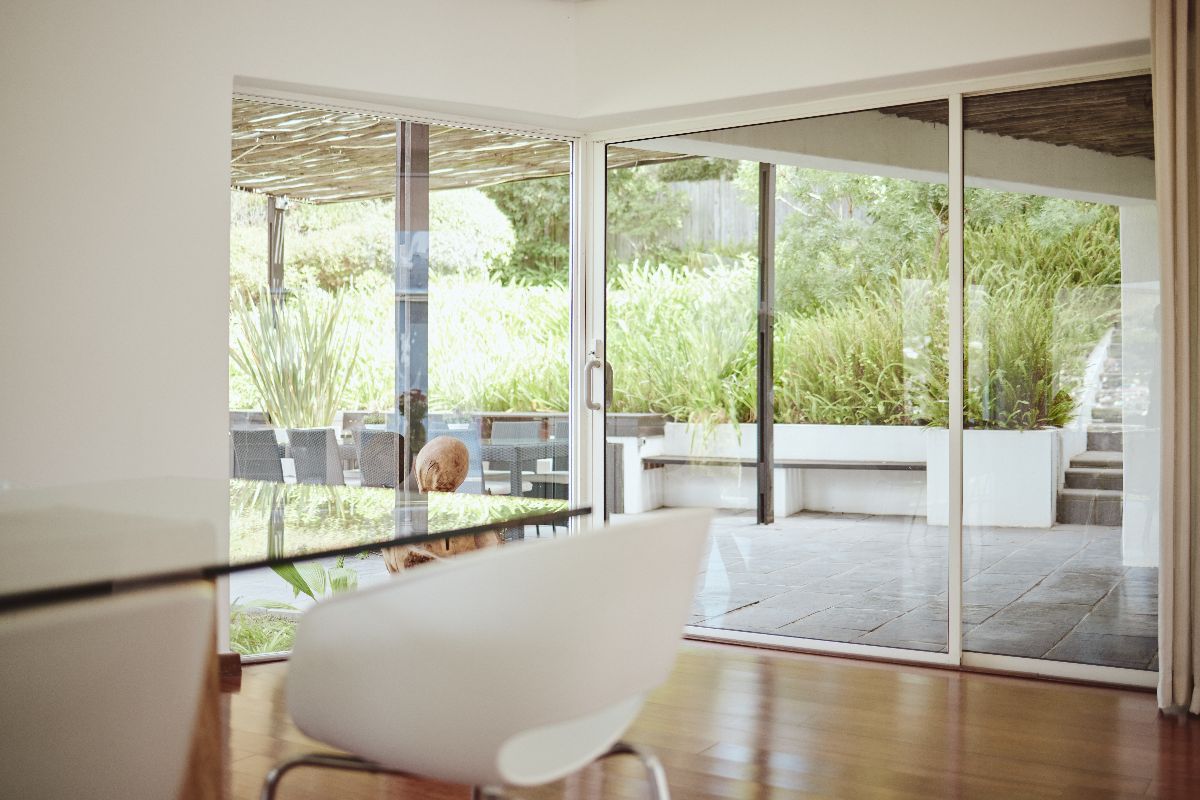
Residential applications are most effective when spatial efficiency and indoor-outdoor connection are a core priority. In homes, these systems are typically used to enhance a space’s usability.
Small Space Optimization
When there’s a need for space efficiency in compact residential layouts, it’s best achieved through sliding doors. These eliminate the need to allocate extra space to accommodate swing radius. This allows designers to preserve usable floor area in tight configurations such as condominiums, townhouses, and small urban apartments.
This approach is applied in bedrooms, balconies, and even partitioned living zones to connect and make the space feel bigger. Sliding systems help reduce visual clutter while maintaining functional separation between areas. This creates a cleaner architectural purpose that supports practical design intent.
Connecting Living Spaces
Some spaces require visual and spatial continuity to make them feel more open and inviting, and when that happens, sliding glass doors can be a great transitional element. These systems allow a clean path between the living room and the dining room, or the kitchen and the dining area, keeping them interconnected without fully removing their boundaries. This makes both spaces more adaptable to different daily uses.
In open-plan homes, this configuration supports both social interaction and functional zoning. Designers often use them to define spaces without introducing heavy architectural dividers. This way, they maintain openness while still allowing controllable separation when needed.
Maximizing Views and Light
Unobstructed access to natural lighting is best prioritized through sliding systems in view-facing residential spaces. Large glazed panels help frame outdoor environments such as gardens and terraces from within. This strengthens not only their visual relationship, but also the amount of light that enters the interior part of the home.
In practice, this is most often used in living areas for their daylight visuals. The continuous glass surfaces enhance brightness during the day, all while maintaining the soft aesthetics most homeowners seek in a modern residence. This creates a more visually connected and naturally illuminated environment overall.
Commercial Projects
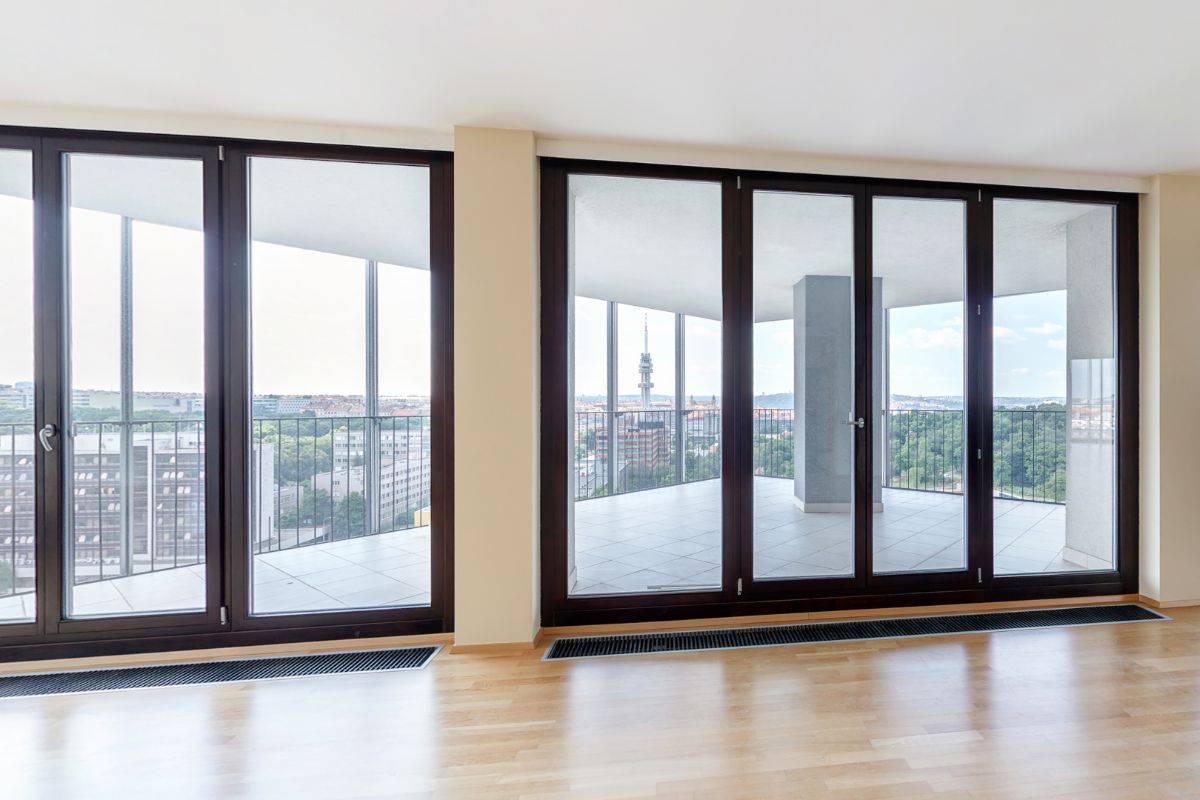
For commercial designs, sliding doors are best used when retail stores or spaces require aesthetically pleasing spatial presentation and efficient circulation. These systems support customer comfort and visual preferences.
High-Traffic Entrances
Entry points in retail stores are most effectively managed using sliding glass doors, specifically in high-traffic zones. Shops, hotels, and office lobbies tend to benefit from this configuration since they allow continuous user flow. As a result, the design minimizes crowding and maintains clear entry visibility.
Automated sliding systems are often preferred in these environments for their efficiency and accessibility. They support smoother ingress and egress during peak periods, while still maintaining efficient security. This makes them more suitable for use in both public-facing and controlled-access commercial areas, especially during ongoing sales or store events.
Space-Saving Accessibility
When sliding doors replace traditional hinged access points, commercial layouts experience better spatial efficiency. This is especially useful in areas where equipment or circulation paths limit swing clearance. This way, designers can plan for more complex layouts and have more creative freedom to make their spaces more presentable for their clients.
Designers frequently apply this solution in meeting rooms and service corridors. The absence of door swing zones allows for tighter spatial planning and easier accessibility for both staff and equipment.
Display and Merchandising
Product visibility and spatial openness in retail shops are enhanced through sliding glass doors. These systems are best used as storefront or internal display separators, since they allow uninterrupted sightlines into merchandise areas. Architects can make use of this solution to create especially appealing boutique and high-end retail store designs.
In commercial applications, they support flexible spatial reconfiguration during promotions or layout changes. Glass panels maintain transparency while still providing physical separation when required.
Get High-Quality Sliding Doors From Dwellsmith
At Dwellsmith, we deliver high-quality sliding door glass systems designed for modern residential and commercial structures. We produce sleek and durable aluminum-framed doors that meet the highest standards of functionality and visual appeal. Interior designers and architects can trust our solutions to deliver not only the practical qualities needed for efficient spatial design, but also the aesthetics modern clients look for.
Our aluminum sliding door offerings include:
Key Takeaway
Design professionals who know when to use sliding glass doors in residential and commercial projects are better able to integrate these systems with a clear function and purpose into their design. When applied correctly, these not only improve spatial efficiency but also satisfy how occupants experience both the practicality and visual appeal of the space.
Here at Dwellsmith, we provide systems engineered for superior performance and a modern architectural appearance. Contact us today to integrate solutions that align with your project requirements.


