What is the role of aluminum framing in high-performance sliding doors?
- Structural Rigidity and Load-Bearing
- Slim Sightlines
- Dimensional Stability
- Thermal Performance
- Durability and Security
Overview
- This article explores the key roles of aluminum framing and how it works with essential door components to create reliable, well-engineered solutions for modern spaces.
- Aluminum framing plays a key role in the performance, appearance, and longevity of high-performance sliding doors.
- From supporting large glass panels and maintaining slim sightlines to improving dimensional stability, thermal efficiency, durability, and security, the frame influences how the entire system functions.
A well-designed space often feels effortless, natural light fills the room, views remain uninterrupted, and indoor and outdoor areas flow together seamlessly. Sliding doors can create this experience while adding flexibility to how you use your space.
Yet behind those expansive glass panels is a component that plays a critical role in how everything functions: the frame. Aluminum combines strength, stability, and design flexibility, making it well suited for high-performance applications.
Exploring the role of aluminum framing in high-performance sliding doors shows how this material can support architectural design while contributing to stability and everyday performance.
Structural Rigidity and Load-Bearing
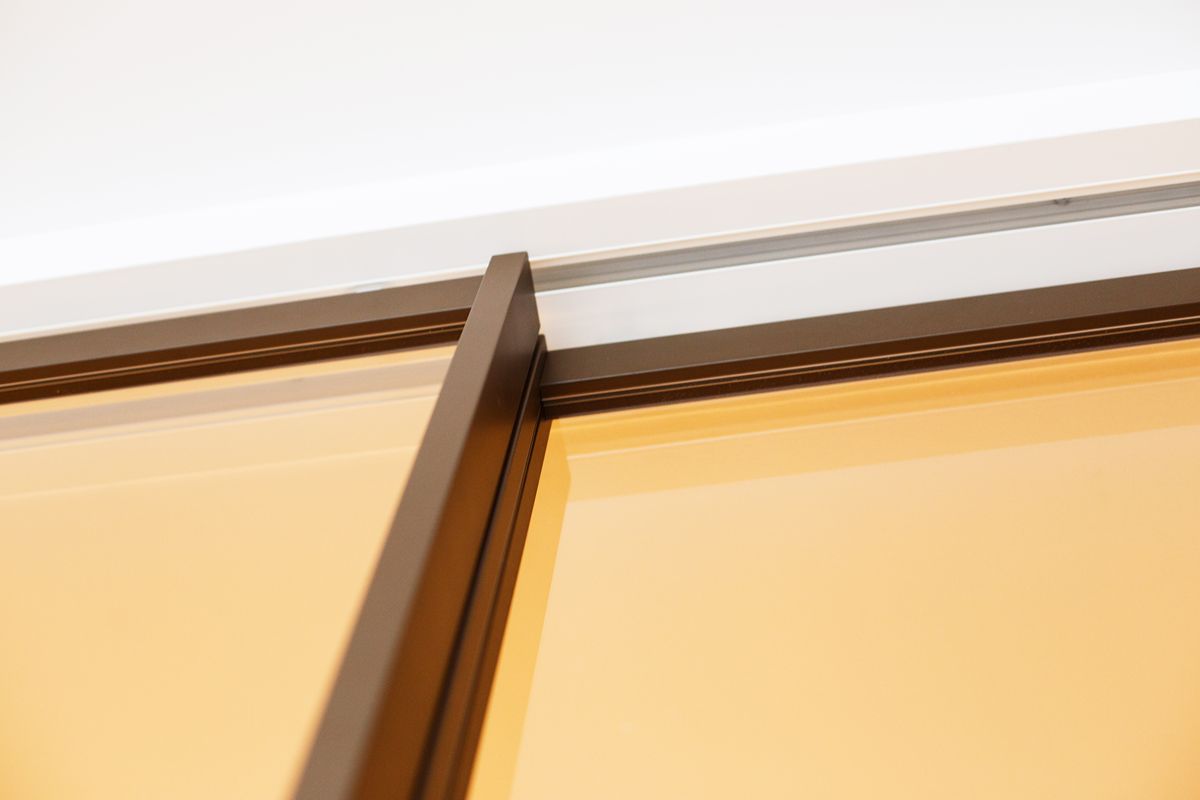
A sliding door needs a frame that can support large glass panels without compromising stability during everyday use. Aluminum provides a strong yet lightweight structure that helps distribute the glass weight across the door system.
Its strength-to-weight ratio lets manufacturers create frames that support substantial panels while keeping operating weight manageable. This becomes particularly valuable for wide openings, floor-to-ceiling installations, and expansive doors that connect interior spaces with patios or outdoor areas.
The rigid structure also helps keep panels properly aligned with their tracks, supporting consistent movement and reducing stress on other components of the sliding system.
Slim Sightlines
Slim sightlines refer to the narrow amount of frame visible around and between glass panels, allowing more of the opening to remain unobstructed. Large glass panels can bring in more natural light and create a stronger connection between your interior and outdoor spaces, but bulky frames can interrupt these views.
Aluminum’s strength allows manufacturers to create slimmer profiles while still providing the structural support needed for expansive glazing. This gives you a greater glass-to-frame ratio, helping preserve views and create a cleaner, more refined appearance. The result works especially well with contemporary architecture, minimalist interiors, and large openings where visual openness is a priority.
Dimensional Stability
Temperature changes, humidity, and daily use can place continuous demands on a sliding door system. Aluminum performs well in these conditions because it maintains its shape and dimensions with relatively low thermal expansion compared with many other framing materials.
This dimensional stability helps the frame remain aligned as the surrounding environment changes, which is important for large panels that depend on precise positioning.
A stable frame supports consistent clearances between components and helps prevent unnecessary strain on rollers, tracks, seals, and locking hardware. For expansive sliding doors, maintaining this dimensional consistency contributes to reliable operation and more predictable long-term performance.
Thermal Performance
The frame plays an important role in how effectively a sliding door manages heat transfer between your interior and the surrounding environment. While aluminum is naturally conductive, high-performance systems can incorporate thermal-break technology that separates the interior and exterior portions of the frame.
This reduces direct heat transfer through the aluminum and helps improve the overall thermal performance of the door assembly. When paired with appropriately specified glass, seals, and other components, thermally improved aluminum framing can help maintain more consistent indoor temperatures. This is especially useful for large glazed openings, where the door system can meaningfully affect the comfort and energy performance of the space.
Durability and Security
Long-term performance depends on a frame that can withstand repeated operation, environmental exposure, and the demands of a large glazed opening. Aluminum offers inherent corrosion resistance because it naturally forms a thin protective oxide layer when exposed to air.
With a durable surface finish, the frame can provide additional protection against moisture, weather exposure, and everyday wear. Its structural strength also supports robust locking points and hardware, helping create a more secure door assembly.
This combination of durability and structural performance makes aluminum well suited to sliding doors used in residences, commercial spaces, and other properties where reliable operation and lasting security are important.
How Aluminum Frames Work With Other Door Components
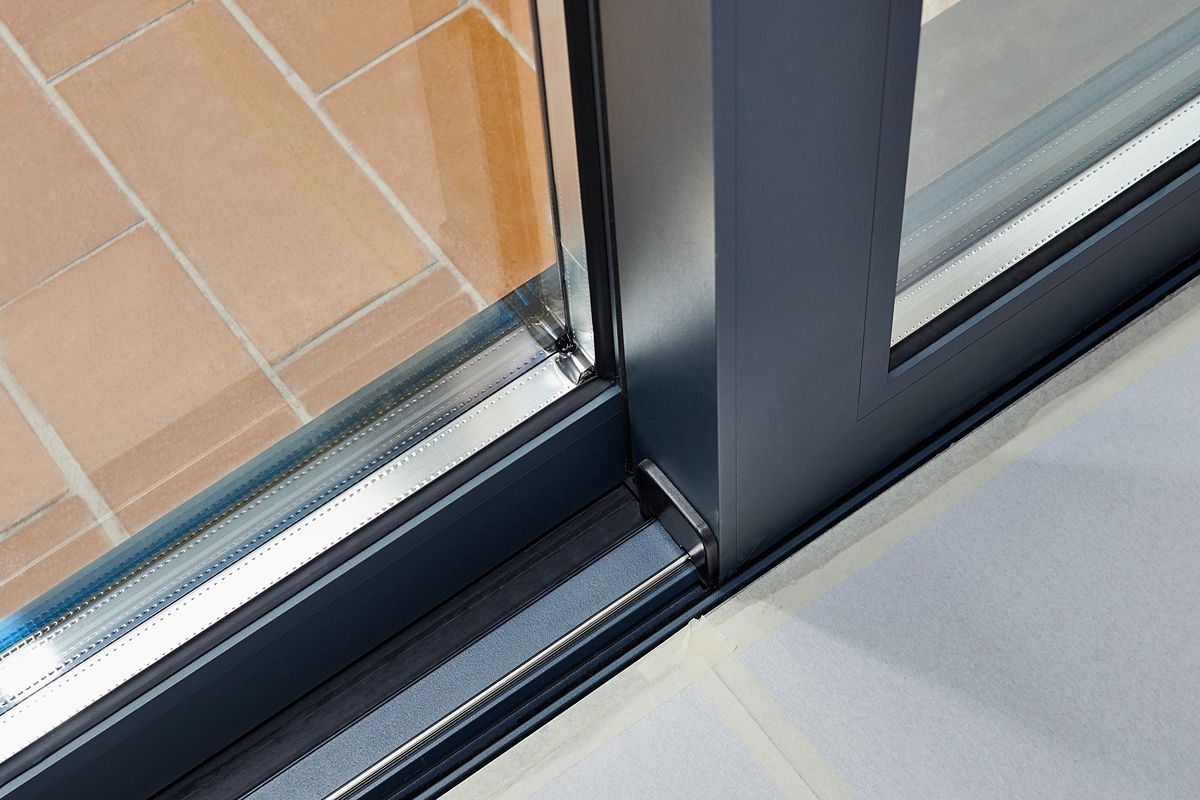
Here’s how aluminum framing works alongside other door components to create a cohesive, high-performance sliding door system:
- Glass panels: Aluminum frames securely support and hold large glass panels in place while maintaining the sliding door’s structural integrity.
- Rollers and tracks: The rigid aluminum frame helps keep the door panel properly aligned with the rollers and tracks for smooth, stable movement.
- Locks and handles: Aluminum framing provides a strong foundation for securely mounting locks and handles while supporting reliable everyday operation.
- Weatherstripping: The frame works with weatherstripping to create consistent contact around the door and limit the entry of wind, rain, dust, and outside air.
- Drainage systems: Integrated drainage paths within the frame help direct accumulated water away from the interior and protect the door assembly from moisture buildup.
- Sealing systems: Aluminum profiles accommodate seals and gaskets that close gaps around the panels and improve the door’s resistance to air and water infiltration.
Why Choose Dwellsmith for Aluminum Sliding Doors?
At Dwellsmith, we combine European design principles with precise engineering to create aluminum sliding doors that perform as beautifully as they look. Our systems feature durable aluminum framing, carefully engineered profiles, and high-quality components that support structural stability, smooth operation, weather resistance, and lasting performance.
From expansive openings that connect your interiors to outdoor spaces to minimalist designs that complement contemporary architecture, our sliding door solutions give you the flexibility to create spaces that feel open, refined, and thoughtfully designed.
Key Takeaway
The role of aluminum framing high-performance sliding doors goes beyond holding glass panels in place. From structural rigidity and slim sightlines to dimensional stability, thermal performance, durability, and security, the frame contributes to how your sliding door looks, functions, and performs over time. When these qualities work together, you get a door system that supports expansive openings without sacrificing comfort, reliability, or design.
Explore aluminum sliding door solutions engineered for lasting performance and refined architectural design with Dwellsmith. Contact us now to create a sliding door system that brings your vision to life.


