What are the most common energy challenges in hospitality facilities?
- High energy consumption and costs
- Difficulty balancing guest comfort and efficiency
- Overreliance on HVAC systems
- Aging infrastructures and retrofitting costs
- Limited energy use data and monitoring
Overview
- Hospitality facilities face rising energy costs brought by overworked HVAC systems and outdated infrastructure, all of which can reduce profits and compromise guest comfort.
- Implementing energy-efficient solutions, such as aluminum windows with thermal breaks or low-E coatings, helps reduce cooling loads and lower operational expenses.
- For hotel and resort owners seeking long-term savings and sustainable operations, Dwellsmith provides premium aluminum window systems designed to optimize energy efficiency while maintaining the high-end aesthetics guests expect.
The summer sun is here, and now is the time when hotels and resorts earn their highest revenue. However, it also exposes the common energy challenges in hospitality facilities. Without proper energy management, even the most well-designed properties can struggle to maintain efficiency and deliver consistent guest experiences.
Proactively addressing these challenges safeguards both profitability and guest satisfaction. One of the most impactful yet overlooked solutions is investing in energy-efficient window systems. Options such as louver windows are a popular choice for enhancing thermal performance while maintaining the high-end aesthetics guests expect.
Let’s dive right into where these challenges begin and learn how to resolve them effectively for your establishment.
High Energy Consumption and Costs
Energy consumption can quietly eat into a property’s bottom line if left unchecked. Resorts and hotels often operate extensive lighting and HVAC systems around the clock to maintain guests’ comfort, which can drive utility bills to their maximum during peak seasons. Without energy-efficient solutions, establishments may end up dedicating large portions of their earnings to paying for high electricity costs.
A simple way to resolve this issue is to make energy-efficient systems a part of the building itself. Modern window systems with thermal breaks or low-E coatings reduce heat gain and reliance on air conditioning. For example, floor-to-ceiling louver windows can lower cooling loads while preserving strong design aesthetics. These support more sustainable operations and a better-managed budget during high-occupancy periods.
Difficulty Balancing Guest Comfort and Efficiency
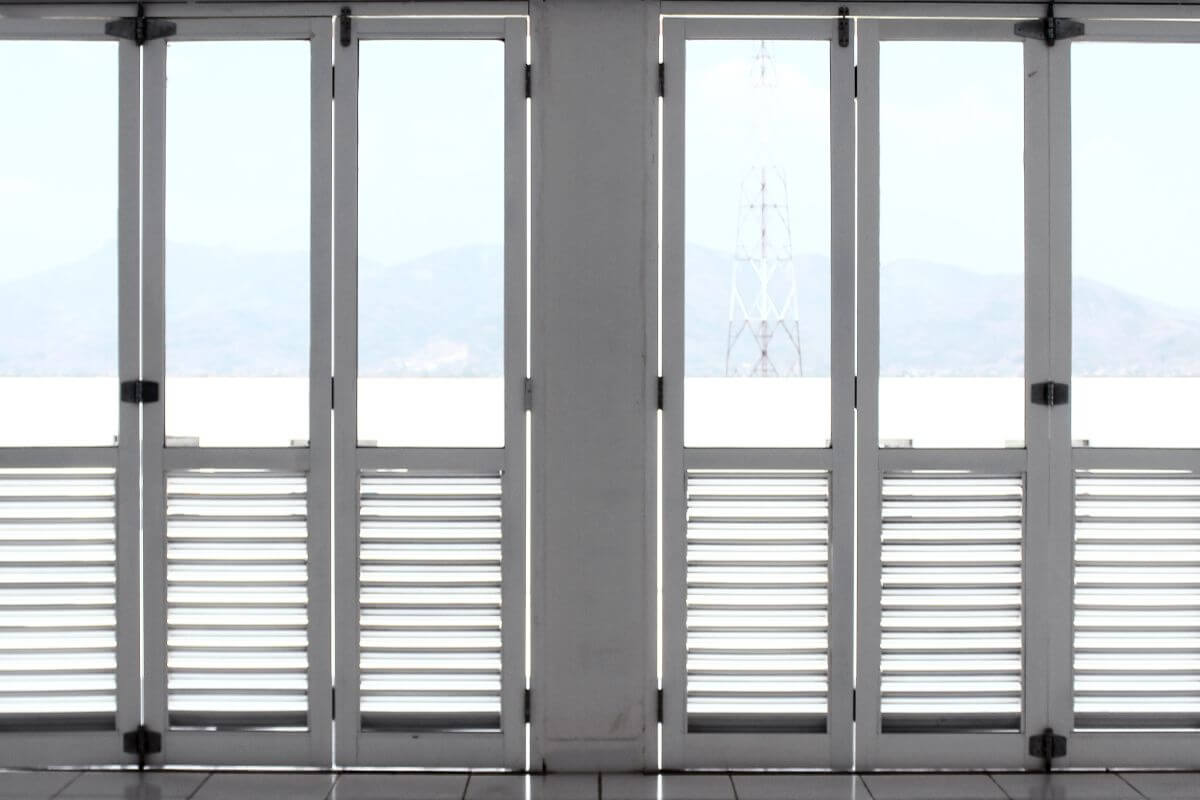
Hotels marketed on luxury and relaxation tend to keep air conditioning running longer and at lower temperatures. In an attempt to remain in guests’ good graces, property owners tend to disregard the costs that come with maintaining their comfort. These result in higher energy consumption, which use up the budget that can be used for other aspects of improvement.
To manage these challenges, it’s important to adopt inverter systems or low-energy, high-output HVAC solutions. Resort owners can also install wall openings or strategically positioned louver window systems to control heat transfer and allow interiors to stay cooler naturally. Guests experience consistent comfort, while resort and hotel owners retain more manageable energy costs.
Overreliance on HVAC Systems
Maintaining guest comfort often leads hospitality facilities to depend heavily on HVAC systems, especially during peak summer months. These establishments market themselves on comfort, which pushes cooling systems to run continuously across guests’ rooms, lobbies, and common areas. This constant usage significantly increases energy consumption, placing pressure on both operational costs and system lifespan.
Reducing this dependency starts with improving how your building retains and manages indoor temperatures. Installing energy-efficient window systems, such as aluminum frames with insulated glazing, helps minimize the heat that enters guest rooms and shared spaces. In areas like beachfront suites, these systems reduce the need for constant cooling.
At Dwellsmith, we offer the following energy-efficient windows designed to support hotel and resort operations:
- Louver Windows
- Sliding Windows
- Awning Windows
- Casement Windows
- Turn and Tilt Windows
Aging Infrastructures and Retrofitting Costs
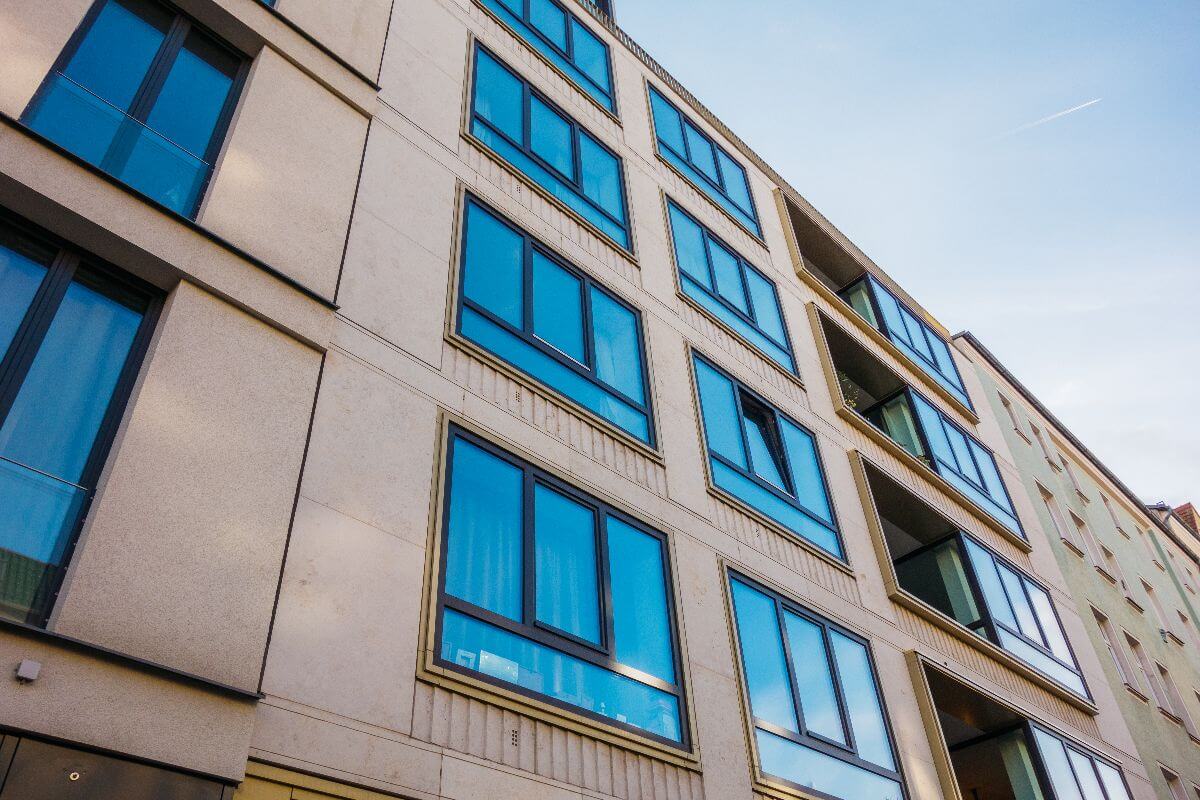
Older hospitality properties often face higher energy costs because of outdated building components. Poor insulation, worn-out windows, and old, aging materials allow more heat to enter easily, forcing systems to work twice as hard to keep up with high cooling demand across large spaces. Over time, this leads to increased operational costs and reduced overall efficiency.
Upgrading these elements can significantly improve performance without requiring a full renovation. For example, replacing old window systems with modern aluminum options enhances their durability and supports better temperature control. These upgrades not only restore efficiency but also improve the overall appearance and value of the property.
Limited Energy Use Data and Monitoring
Without accurate data, it becomes difficult to identify where energy is being wasted. Many facilities operate without detailed monitoring systems, making it challenging to track consumption patterns. This lack of visibility often leads to missed opportunities for energy savings or optimized cooling throughout the property.
To mitigate this, you can implement monitoring tools to keep track of usage data. Smart meters and building management systems provide strong insights that improve overall efficiency within your buildings. When combined with structural improvements, these insights enable more precise control over your facility’s energy performance.
How to Resolve Energy Challenges in Hospitality Facilities
Addressing energy challenges requires a combination of smart system usage and efficient building design. By improving on both fronts, hospitality owners can achieve more stable and cost-effective energy management.
The following practices help resort facilities maintain manageable electricity costs:
- Use energy-efficient aluminum windows
- Take advantage of SMART technology
- Conduct energy audits
- Integrate renewable energy or solar panels
Key Takeaway
Understanding the common energy challenges in hospitality facilities allows property owners to take proactive steps toward improving efficiency and maintaining consistent guest comfort. By addressing these concerns, you ensure your facility remains competitive and ready to provide satisfactory customer experiences during high-demand seasons.
With Dwellsmith’s expertise in premium aluminum window systems, you gain access to solutions designed to improve long-term energy efficiency. Contact us today to explore solutions that best fit your business’s requirements and architectural design.


