Overview
- Discover how louver windows can support natural ventilation, daylight control, and functional office design.
- Explore the benefits of louver windows and practical considerations for integrating them into commercial workspaces.
- Learn how Dwellsmith’s aluminum louver window systems can complement your office design and meet your project requirements.
Most office employees spend eight to nine hours a day at work, often seated at a desk and focused on a screen. Spending that much time indoors can make a workspace feel confined, especially when your view is limited to a wall or partition. Windows can make a difference by bringing in natural light, offering a view of the outdoors, and creating a more inviting work environment.
Louver windows are one option worth considering. They feature angled blades you can adjust to regulate airflow and, depending on their design, the amount of light entering a room.
But are louver windows suitable for offices and workspaces? This article discusses their key advantages and the factors to consider when choosing them for your commercial space.
Key Advantages of Using Louver Windows for Your Workspace
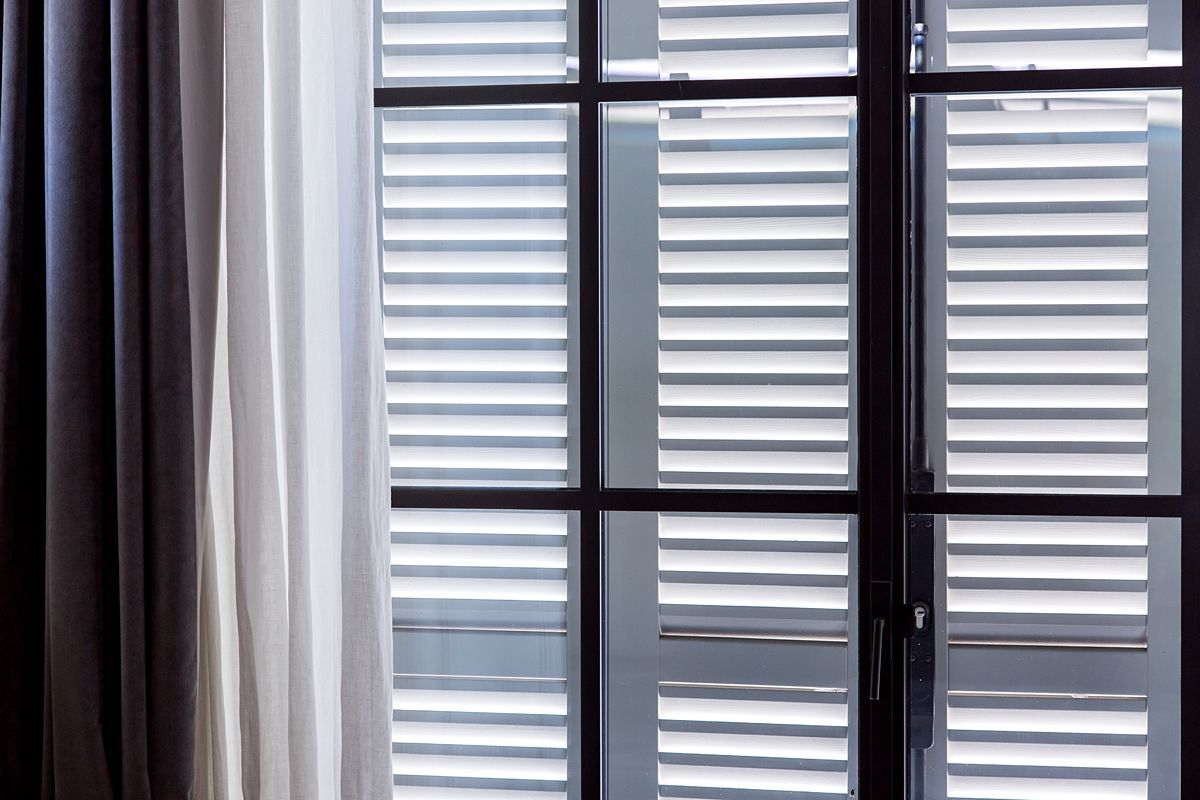
Here are the key advantages of louver windows to consider when designing a workspace that supports your building’s functional and architectural requirements.
Superior Natural Ventilation
A well-ventilated office helps keep indoor air feeling fresher throughout the workday. Louver windows feature angled blades that open to let outdoor air pass through, making them useful in spaces where natural airflow can supplement mechanical ventilation.
Consider them for break rooms, corridors, or other areas where fresh air circulation is a priority. Improved ventilation can also help reduce the buildup of indoor pollutants and carbon dioxide when outdoor conditions are favorable. For your project, assess the building’s orientation, outdoor air quality, and ventilation requirements to determine where louver windows can work most effectively.
Energy Efficiency
In the Philippines, air-conditioning can account for a substantial share of an office’s electricity consumption, particularly during warmer months. Louver windows let you use natural ventilation when outdoor temperatures, humidity, and air quality allow, reducing the need to run cooling systems continuously in selected areas.
For example, you might open louvers in a naturally ventilated common area during cooler mornings rather than relying entirely on mechanical cooling. Actual energy savings depend on your building’s design, occupancy, and operating schedule.
Coordinating window placement with your overall ventilation and air-conditioning strategy helps you make informed decisions about energy use without compromising indoor comfort.
Precise Control Over Airflow and Light
Different work areas have different ventilation and lighting needs, so adjustable louvers can give you greater control over the indoor environment. Dwellsmith’s Movable Louver Window features adjustable slats that let you regulate incoming airflow and daylight according to your preferences.
You can angle the blades to direct breezes while helping limit direct sunlight and glare on desks or screens. This flexibility is useful in spaces where occupants need both fresh air and comfortable working conditions.
By making better use of available daylight, you may also reduce the need for artificial lighting during certain hours, depending on the room’s orientation and lighting requirements.
Aesthetic and Spatial Design
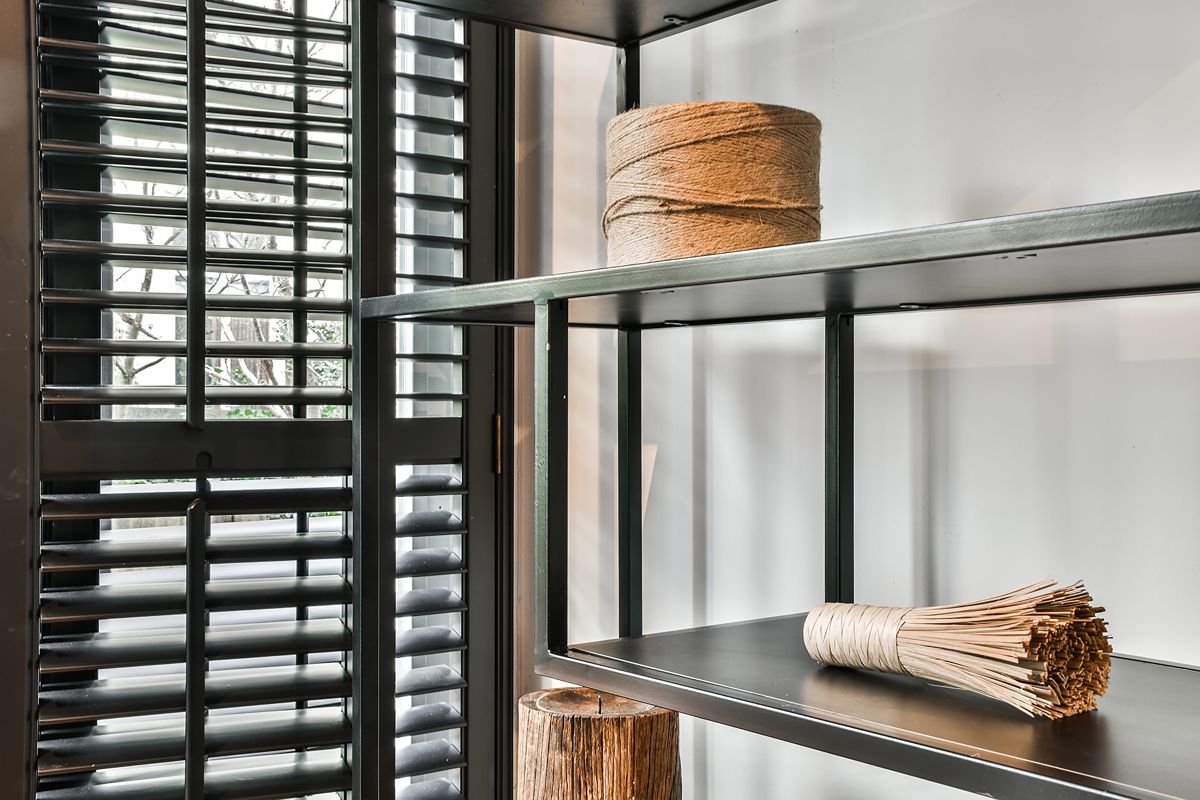
Windows should complement your workspace design without interfering with how people move through it. Louver windows offer a clean, modern appearance that suits contemporary offices, while their adjustable blades provide practical ventilation.
Because the blades operate within a fixed frame, they’re a useful option when interior space is limited and projecting window panels could obstruct walkways or nearby furniture.
Dwellsmith’s Safetyline Aluminum & Glass Louver Window combines modern aesthetics with functional design and customizable configurations to suit different project requirements. When selecting a system, consider how its finish, proportions, and placement will complement your building’s façade and the space’s needs.
Best Practices for Office Implementation
Thoughtful window selection and placement help you maximize ventilation, manage heat and daylight, and integrate louver windows effectively into your workspace.
- Automated BMS Integration: Connect compatible automated window systems to your Building Management System (BMS) to coordinate ventilation with indoor air quality, temperature, and air-conditioning controls.
- High-Performance Glass: Choose glass suited to your building’s heat-control, daylight, and safety requirements to help manage solar heat gain while maintaining a comfortable and well-lit workspace.
- Strategic Placement: Position louver windows based on your building’s orientation, prevailing breezes, and room layout to encourage natural airflow when outdoor conditions allow.
Key Takeaway
When deciding whether louver windows suit offices and workspaces, consider how their adjustable blades, ventilation capabilities, and design flexibility align with your building’s operational and architectural requirements. The right configuration can help you create a workspace that supports daily activities while complementing your overall design vision.
At Dwellsmith, we offer aluminum window systems for a range of commercial applications. Our selection includes options to suit different project specifications and architectural styles. Contact us today to discuss your requirements and find a window solution for your next office project.


