Why are awning windows suitable for modern commercial spaces?
- Weather-resistant ventilation
- Space-saving design
- High-level placement
- Energy efficiency
- Sleek aesthetics
Overview
- Explore the design and functional qualities that make awning windows an option for modern commercial spaces.
- See how their weather-resistant, space-saving, and versatile design can work across different commercial environments.
- Consider where awning windows can fit into your project based on placement, aesthetics, ventilation, daylight, and overall building requirements.
A commercial space makes an impression before customers even walk through the door, so its exterior needs to look inviting while complementing the experience inside. Windows shape the building’s character, bring in daylight, and connect the interior with the street. One option you may consider is an awning window, which features a top-hinged panel that opens outward from the bottom to provide ventilation.
But are awning windows suitable for modern commercial spaces? The answer depends on how their design and opening style fit your building’s needs and intended use.
Weather-Resistant Ventilation
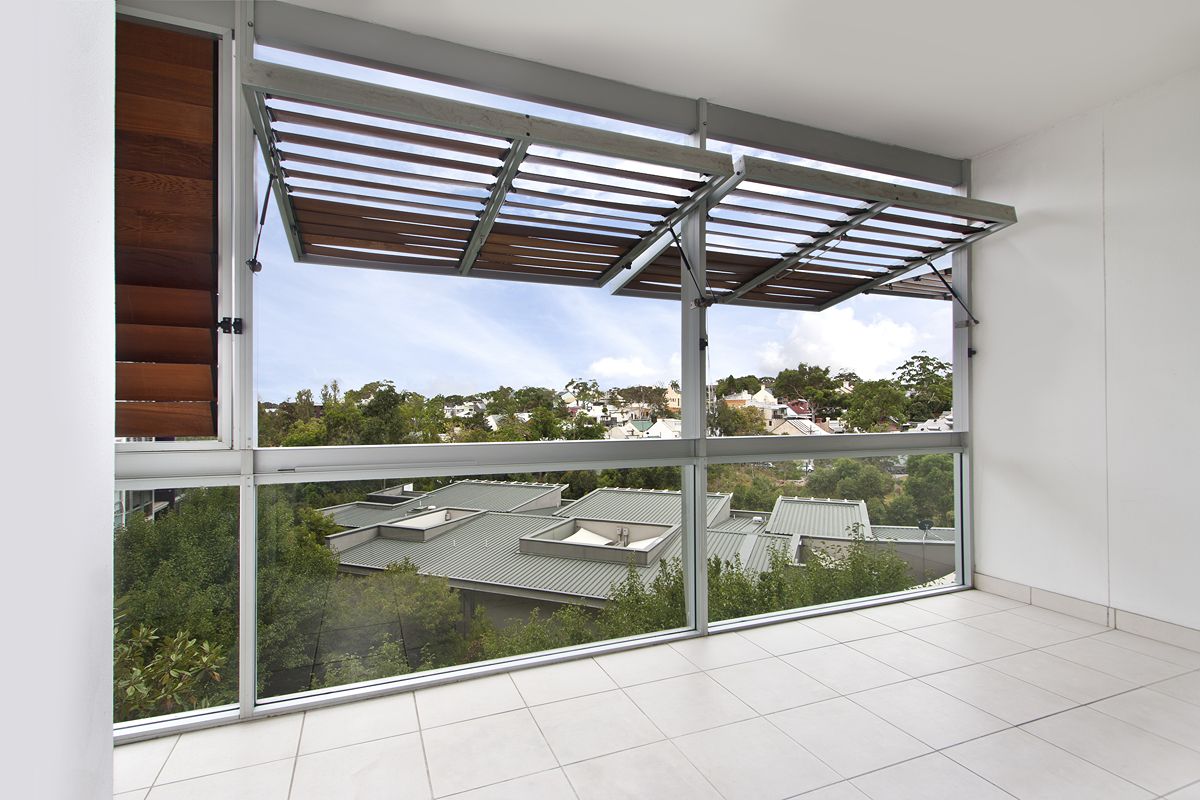
Keeping a commercial space comfortable means bringing in fresh air while limiting exposure to the weather outside. Dwellsmith awning windows are designed with weather resistance in mind, helping protect interiors from rain and outdoor elements when properly specified and installed.
This becomes particularly important in the Philippines, where heavy rain, strong winds, and typhoons can put building openings to the test. A well-sealed window system can help reduce water intrusion around the opening, while durable aluminum frames provide a practical solution for commercial spaces that need ventilation without compromising protection from changing weather conditions.
Space-Saving Design
When every part of a commercial floor plan needs to work efficiently, the way a window opens matters. Awning windows project outward rather than inward, so you don’t have to give up interior floor space for the operating panel. This gives you more freedom to position desks, seating, counters, equipment, or other fixtures near the window.
They can be particularly useful near kitchen counters, service areas, or workstations where an inward-opening panel could get in the way. The outward-opening configuration can also work well in areas where an inward-swinging window would interfere with movement. You get ventilation and access to natural light while keeping the interior layout organized and functional.
High-Level Placement
Windows positioned higher on a wall can do more than fill an otherwise unused portion of the façade. Awning windows suit elevated placements where you want to bring in daylight or ventilation without taking up valuable wall space at eye level. This can work particularly well in offices, corridors, meeting rooms, bathrooms, and other commercial areas where privacy or furniture placement matters.
Higher positioning can also help maintain a cleaner visual connection across the room. It can also keep window openings above busy areas, reducing the chance of interfering with furniture, equipment, or movement below. You also gain another opportunity to improve comfort and daylighting without disrupting the space layout.
Energy Efficiency
A well-planned window strategy can contribute to a more comfortable commercial environment while reducing reliance on artificial lighting and mechanical ventilation. Awning windows can bring daylight into occupied spaces and provide opportunities for natural airflow when outdoor conditions are suitable.
Their configuration also gives you control over when and how much ventilation enters the room. When combined with appropriate glazing, frame selection, building orientation, and other design considerations, they can support a more efficient overall building envelope. This can help create comfortable workspaces while supporting broader operational and building-performance goals.
Sleek Aesthetics

Modern commercial architecture often calls for details that look intentional without competing with the building’s overall character. With their clean profiles and straightforward opening mechanism, awning windows can complement contemporary façades, interiors, and carefully planned window arrangements.
You can incorporate them into different elevations or combine them with fixed glazing to create a balanced composition. Their relatively understated appearance also gives you flexibility when working with glass, aluminum, concrete, or other modern finishes. The result is a window solution that supports the building’s visual identity while still meeting practical ventilation and daylighting needs.
Where Can Awning Windows Be Used in Commercial Spaces?
Awning windows can suit various commercial spaces where ventilation, natural light, and practical layouts matter.
- Office spaces: Support fresh airflow and natural light without disrupting work areas.
- Restaurants and cafés: Bring in ventilation while maintaining a comfortable dining environment.
- Retail establishments: Provide airflow without taking up valuable interior floor space.
- Hospitality spaces: Add ventilation and daylight while complementing the space’s design.
- Clinics and professional offices: Provide controlled airflow while supporting privacy and comfort.
- Common areas: Improve ventilation and daylight in shared spaces such as lounges and corridors.
Key Takeaway
Determining if awning windows are suitable for modern commercial spaces ultimately comes down to how well their design aligns with each project’s requirements. The right specification can create a cohesive façade while supporting the building’s intended character and use.
Dwellsmith provides aluminum window systems for projects that call for thoughtful design and dependable performance. Explore configurations that align with your project’s architectural direction. Talk to us about your window requirements.


