Overview
- Sliding glass doors influence far more than visual continuity in a space. They affect how a fully constructed project performs once it is built. For architects and designers, the real challenge lies in ensuring that aesthetic intent aligns with functionality needs and safety requirements.
- Material selection, structural performance, and environmental resistance all affect how the system functions once installed. These considerations are best evaluated early with supplier input to avoid costly execution gaps.
- Dwellsmith provides high-performance sliding glass door systems in the Philippines for architects and design professionals. Each system is engineered to meet architectural requirements while maintaining long-term functional performance.
As a professional designer, there are several things you must be sure of before purchasing sliding glass doors for your project. You need to make sure the design functions properly within the space, and of course, ties in seamlessly with the rest of your architectural concept.
But you don’t have to figure it all out on your own. When you understand the key design considerations to consult with your sliding glass door supplier, you get the right technical guidance behind your decisions.
As a provider of high-quality sliding glass doors in the Philippines, Dwellsmith offers design professionals reliable solutions built for lasting performance and lasting visual appeal. Read on to learn more.
Frame Material and Performance
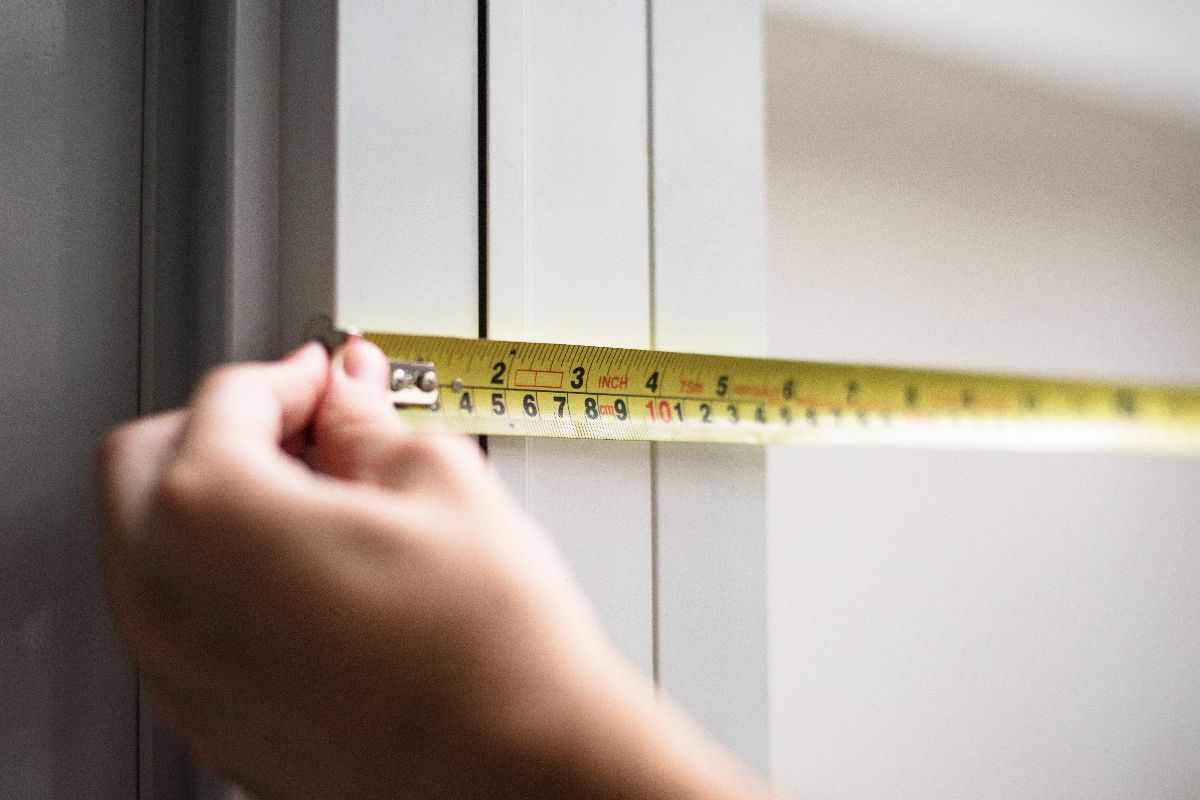
Frame selection defines the long-term efficiency of sliding glass door systems, making it one of the first technical decisions to validate with suppliers. This influences how systems perform under frequent use and environmental load.
Frame Material Options
The material you specify for sliding door frames determines how seamlessly the door integrates into your overall design. Suppliers typically guide this stage by aligning material capability with project requirements rather than aesthetics alone. Some of the most common frame materials include:
- Aluminum – Lightweight and highly durable, aluminum is ideal for small and large spaces with modern architectural detailing. Options such as Dwellsmith’s Minimalist Sliding Glass Door is built with aluminum to maintain reliability and modern visual aesthetics for contemporary design projects.
- Stainless Steel – Has high structural strength with premium industrial aesthetics
- uPVC – Cost-efficient option with strong thermal insulation properties for controlled environments
- Timber (Engineered Wood) – Warm aesthetic appeal, often used in residential or hospitality settings with protected exposure
Corrosion Resistance
Material resilience plays a key role in specifications for coastal or high-humidity locations. Designers must ensure that their chosen sliding systems can maintain a stable performance without affecting alignment or operation under constant environmental stress. This makes corrosion resistance a non-negotiable factor in supplier consultations.
Ask your supplier if they have options built to withstand unpredictable weather. Aluminum systems with protective surface treatments deliver long-term corrosion resistance in areas where humidity is the norm. Under more demanding conditions, trustworthy suppliers provide options with coatings and anodized finishes to extend the doors’ service life.
These treatments reduce the need for frequent maintenance or early replacement shortly after installation.
Security and Safety
Security integration ensures that the doors do not compromise protection standards. The right supplier can adjust the doors’ configurations based on your project’s application, whether it’s residential or commercial in nature.
Multi-Point Locking Systems
Locking mechanisms in sliding systems define how the door engages along its frame, particularly in high-access installations. Multi-point systems distribute locking pressure across multiple points rather than a single latch to protect properties against forced entry. This is often specified in commercial façades, villas, and perimeter openings where security layering is a must.
These systems can be integrated discreetly into slim-profile frames without throwing off the design’s continuity. For example, using concealed locking tracks or integrated handle-rail systems, you can keep security features functional and visually minimal at the same time. This supports clean architectural lines while maintaining strict safety standards.
Security Features
Beyond locking systems, sliding doors should incorporate additional protective elements to enhance safety in occupied spaces. These features must be assessed based on occupancy type and access control requirements.
In residential settings, aminated or tempered safety glass is often sufficient to handle occasional impact. Otherwise, reinforced frames with anti-lift mechanisms are better suited for high-traffic environments.
Other common security features include:
- Laminated or tempered safety glass
- Anti-lift mechanisms
- Reinforced frame corners
- Multi-layer sealing systems
- SMART locking systems
Customization and Aesthetic
Designers should consult suppliers to align aesthetic choices with available system configurations and technical limits. This ensures the final design stays visually consistent while remaining structurally feasible.
Sightlines and Configuration
Sightline optimization determines how visually open or framed a space appears once the sliding system is installed. Narrower profiles are often preferred in contemporary builds since they offer uninterrupted views and better daylight penetration. This directly affects how interior spaces visually connect with external environments.
Configuration choices, such as two-panel, multi-panel, or pocket systems, also influence how space is experienced in motion. Wider openings improve spatial continuity, while segmented systems allow controlled transitions between zones. These decisions are typically refined with supplier input to match structural constraints.
Finishes
Surface finishes define the final visual character of sliding systems and ensure cohesion with surrounding architectural materials. Since they also affect maintenance behavior and light reflection, coordinating about the finish with the supplier is essential to ensuring long-term visual consistency.
Suppliers offers doors with the following finishes to better match your project’s aesthetic and functional needs:
- Powder-coated matte finishes
- Anodized aluminum
- Wood-grain finishes
- Custom RAL colors
Key Takeaway
Understanding the key design considerations to consult your sliding glass door supplier is the key to making precise, performance-driven decisions across different project types. Since each factor affects how your doors perform in day-to-day life, it’s important to carefully evaluate how they align with your design’s overall intent.
With Dwellsmith providing high-quality sliding door systems in the Philippines, you gain access to solutions designed to support successful architectural execution. Contact us today to align your next project with top-grade sliding systems.


