What are the key factors to consider when installing sliding doors in commercial buildings?
- Material durability and application
- Security and safety
- Operational efficiency and noise
- Space and structural support
- Maintenance requirements
- Accessibility and compliance standards
Overview
- To install sliding doors in commercial spaces, teams must first consider several key factors for operational efficiency. Proper planning prevents sliding doors from requiring costly adjustments and posing safety hazards while maintaining smooth daily operations.
- Each factor contributes to long-term functionality, occupant safety, and a professional working environment. By understanding these considerations, facilities teams can make informed decisions that save time and resources.
- For high-quality, purpose-fit sliding door solutions, corporate properties can rely on Dwellsmith. We provide top-grade sliding doors designed to suit the unique demands of commercial spaces.
From commercial buildings to shopping centers, sliding doors have become a preferred choice for many modern structures. However, several qualities must be accounted for to fully maximize their qualities. The right doors not only enhance aesthetics but also improve how spaces flow across high-traffic areas.
That’s where Dwellsmith comes in. As a top supplier of commercial sliding doors in the Philippines, we provide exceptional design solutions tailored for corporate and commercial environments. Our products are engineered to meet the unique demands of contemporary installations.
Read on to learn the essential factors to consider when installing sliding doors in commercial buildings.
Material Durability and Application
Choosing the right material defines both the longevity and suitability of a sliding door in busy environments. For example, aluminum frames offer lightweight impact resistance, making them ideal for high-traffic entrances. Meanwhile, tempered glass provides visibility without compromising strength. Commercial space owners should match material selection to the building’s use case to prevent early wear or operational issues.
Beyond strength, material choice also affects maintenance and performance requirements over time. Laminated surfaces can extend the door’s lifecycle by safeguarding it from weather damage. For specialized areas, like hospital corridors, materials must also resist chemical exposure to ensure safe and reliable operations.
By choosing purpose-fit materials, professionals prevent costly repairs and keep these doors reliable for daily use.
Security and Safety
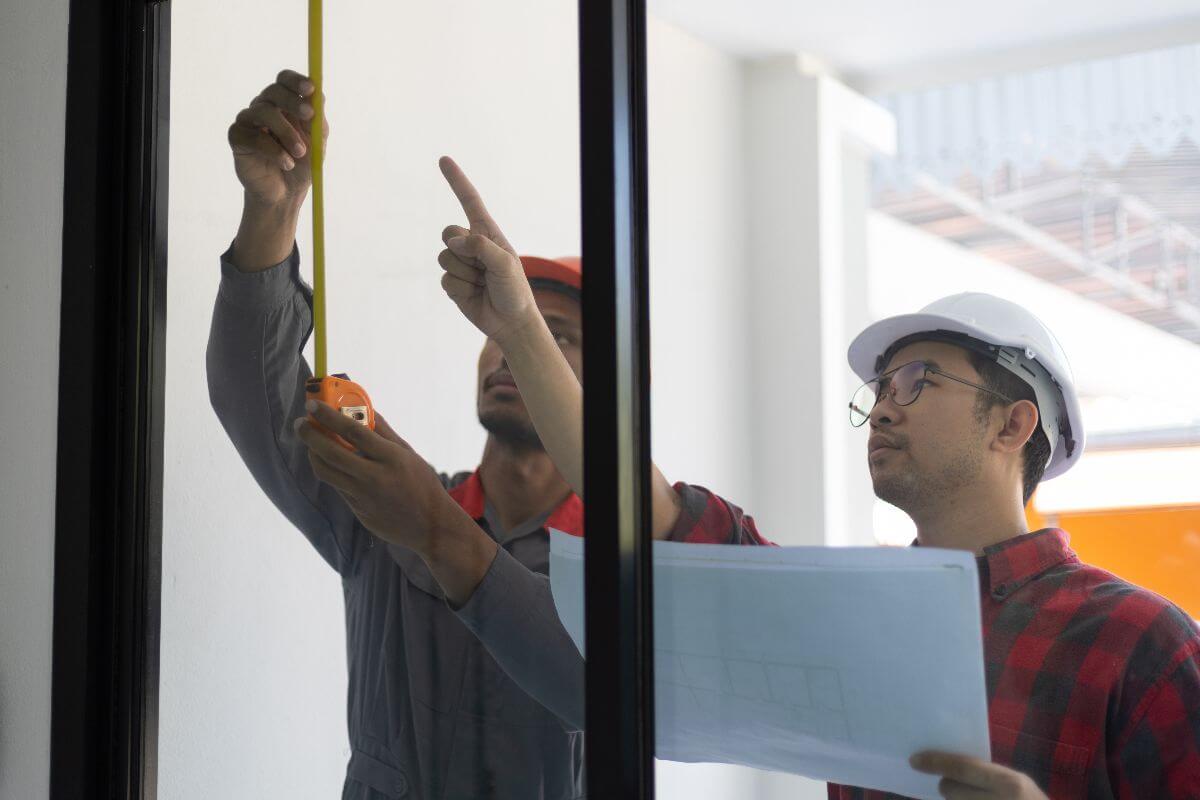
A sliding door’s security is critical because poorly secured entrances can compromise asset safety. Without reinforced materials or robust access controls, commercial entrances become vulnerable to theft and unauthorized entry. It’s essential to plan for traffic patterns to ensure the doors provide effective protection and functionality in daily operations.
It’s also critical to assess whether sliding doors are safe to install in high-traffic areas. If poorly designed, these doors can cause injuries or violate evacuation regulations. Features like soft-close tracks and anti-jump rollers prevent accidents while also ensuring compliance with safety standards.
Addressing these considerations during installation reduces liability and improves operational efficiency in the long run.
Operational Efficiency and Noise
In busy commercial buildings, sliding doors can become a hurdle if they do not operate smoothly or quietly. Inefficiently installed doors can slow traffic and cause unnecessary distractions, impacting both workflow and the perception of the space. To mitigate this, facilities teams must evaluate door design and track systems during installation and ensure reliable operation under high-traffic conditions.
Aside from operational smoothness, noise management also influences comfort and safety. Doors that slam or slide inconsistently can distract occupants or allow uncontrolled airflow that strains HVAC systems. Seek suppliers who can assist with efficient door installation to ensure problem-free operations.
With careful planning, teams can prevent operational disruptions and maintain a professional, well-functioning environment.
Space and Structural Support
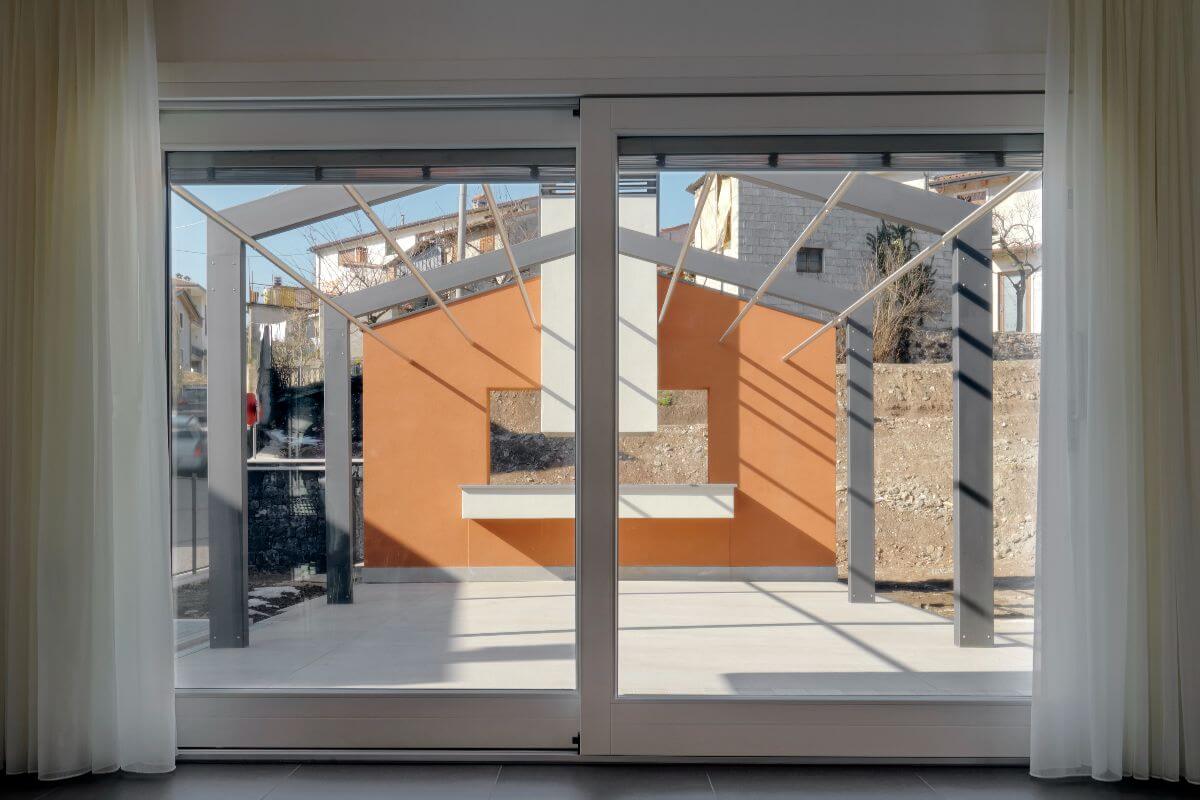
When installing commercial sliding doors, space planning is critical for safety and overall efficiency. Teams should assess both the lateral clearance for the door panels and the surrounding area to ensure unobstructed access for all users. A well-planned layout not only prevents costly adjustments but also bottlenecks after installation.
Structural support is equally critical, as sliding doors rely on strong headers and wall anchors to operate smoothly. Professionals should confirm that the supporting walls or frames can bear the weight of heavy doors, especially for large glass panels.
Involving an engineer can help confirm durability and minimize maintenance, keeping operations smooth and continuous for years to come.
Maintenance Requirements
Maintenance needs can determine the long-term cost-effectiveness of sliding doors. Tracks and rollers require routine inspection and lubrication to avoid operational malfunctions. For facilities managers, implementing a preventive maintenance schedule can help address wear before it impacts building operations.
Material choice also influences maintenance frequency. Since materials like aluminum are protected by corrosion-resistant coating and paired with scratch-resistant glass, they reduce cleaning and replacement needs. Automated doors are also beneficial, since their security maintenance only requires regular sensor recalibrations.
Altogether, these qualities help teams ensure consistent performance with minimal downtime. Anticipating maintenance requirements prevents the need for last-minute changes or costly repairs down the line.
Accessibility and Compliance Standards
Sliding doors must meet both accessibility and regulatory standards to serve all users effectively. According to the Philippine Accessibility Law, doors must have a minimum clear width of 900mm, with no threshold or step. Doors must allow easy passage and include accessible, non-slippery thresholds for safety. These ensure that entrances are usable by individuals with mobility challenges.
Accessibility not only enhances operational inclusivity but also its efficiency. Sensor activation and intuitive control interfaces allow smooth entry for everyone, including visitors and delivery personnel. Aligning door design with compliance standards reduces legal risks while improving the overall building experience for guests and staff.
Get High-Quality Commercial Sliding Doors From Dwellsmith
If you’re seeking high-grade aluminum sliding doors for your commercial property, choose Dwellsmith. We offer a full range of contemporary door systems designed to meet the diverse needs of different facilities.
With expert guidance and professional installation services, we ensure that your facilities are equipped with modern, quality door systems designed for easy accessibility. Each of our offerings improves not only your building’s functionality, but also its aesthetic appeal:
- Minimal Sliding Doors: Simple yet elegant sliding doors ideal for office spaces and interior partitions.
- Standard and Corner Sliding Doors: Versatile and sophisticated sliding doors that enhance space utilization, making it ideal for boutiques and open-concept lobbies.
Key Takeaway
There are several factors to consider when installing sliding doors in commercial buildings, each ensuring operational efficiency and lasting reliability. With careful material selection and compliance considerations, corporate facilities teams can effectively maximize these door systems’ functionality and safety.
Partnering with Dwellsmith allows professionals to access expert guidance and high-quality sliding door solutions for their unique commercial specifications. Contact us today to learn more about how our high-quality door systems can improve corporate spaces.


